
How to Mulligan Muldrotha, the Gravetide
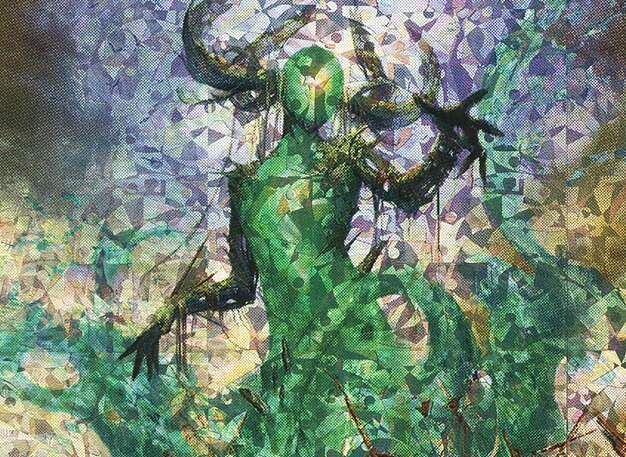
Try tools with this commander
Start here: Mulligan Simulator (fast) → then Cost to Finish (money) → Budget Swaps (savings)
Mulligan Simulator
Simulate keep rates for your opener
Cost to Finish
Estimate cost to complete your deck
Budget Swaps
Find cheaper alternatives
Browse Decks
Explore public Muldrotha, the Gravetide decks
No signup required to try tools.
Opening hand priorities
Permanent-based recursion engine replaying permanents from graveyard each turn. The goal is not a pretty seven-card hand. It is a hand that develops mana, lines up colors, and actually points toward the deck's first meaningful turns.
Your opener should support
Hands to be suspicious of
- - spell-heavy builds
- - exile-dependent effects
Mulligan decisions with Muldrotha, the Gravetide start with role clarity: does your opener actually support a real Muldrotha, the Gravetide game plan around graveyard and recursion? Permanent-based recursion engine replaying permanents from graveyard each turn. Include permanent-based removal and ramp like Seal of Primordium and Sakura-Tribe Elder. Avoid too many instants and sorceries.
What a keepable hand looks like
In Commander, the London mulligan gives you a free first reset and rewards disciplined keeps. For Muldrotha, the Gravetide, a strong opener usually does three things at once: develops mana, offers an early spell or piece of interaction, and points toward your actual game plan. Permanent-based recursion engine replaying permanents from graveyard each turn. If your seven has lands but no way to advance that plan, treat it as shakier than it first looks.
Mana, colors, and early sequencing
Most Muldrotha, the Gravetide decks still want the normal Commander baseline of two to four lands or a hand that clearly replaces missing lands with reliable ramp. Muldrotha, the Gravetide is blue-black-green, so your opener should cast your setup on time and not strand key colors in hand. Include permanent-based removal and ramp like Seal of Primordium and Sakura-Tribe Elder. Avoid too many instants and sorceries.
When to keep a borderline seven
If your list is built around graveyard, recursion, and value engine, a borderline hand should still contain at least one card that matters for that package. Keep more aggressively when the hand has cheap setup plus enough mana to function. Ship more aggressively when it is all payoff, all air, or a pile of unrelated medium cards. Common misses include spell-heavy builds and exile-dependent effects.
Play vs draw
On the draw, the extra card gives Muldrotha, the Gravetide more room to keep a slower hand, especially one with two mana sources and a real early spell. On the play, be tougher on reactive hands that do nothing proactive until turn three. If your build is faster or more controlling than average, compare both modes in the simulator so your mulligan habits match the exact list you are piloting.
Ready to test real opener quality for Muldrotha, the Gravetide? Run your own list through the ManaTap mulligan simulator, compare play versus draw, and check how often your opener actually lines up with the plan above.
Related commander guides
FAQ
- What is the London mulligan?
- You put any number of cards from your hand on the bottom of your library, then draw back up to seven. In Commander, your first mulligan is free.
- How many lands should I keep?
- Most Commander decks want two to four lands in the opener. Low-curve decks can keep two; higher curves want three or four.
- Should I mulligan a hand with no ramp?
- It depends on your curve. If your deck needs early ramp to function, ship hands without it. If you have enough lands and cheap plays, you might keep.
- Does play vs draw affect mulligan strategy?
- Yes. On the draw you get an extra card, so you can sometimes keep slightly weaker hands.
- How can I test my mulligan strategy?
- Use the ManaTap mulligan simulator. Paste your decklist, set parameters, and run thousands of simulations to see keep rates.