Commander Guide
Six Commander Guide
Six rewards careful sequencing, honest mulligan decisions, and disciplined card choices. Core plan: Six Commander decks usually focus on value while keeping enough ramp, draw, and interaction to make the commander's engine matter.
Commander overview
Six rewards careful sequencing, honest mulligan decisions, and disciplined card choices. Core plan: Six Commander decks usually focus on value while keeping enough ramp, draw, and interaction to make the commander's engine matter. These guides help you tighten the parts that matter most. Use the mulligan simulator for opener quality, Deck Checker for list review, and Budget Swaps for cheaper replacements.
Color identity

Type line
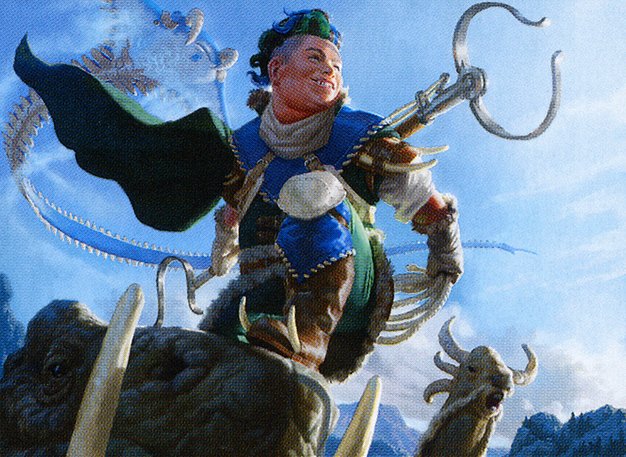
Legendary Creature — Treefolk
Mana value
3
Commander legality
Legal
How this deck wins
How Six wins: Six Commander decks usually focus on value while keeping enough ramp, draw, and interaction to make the commander's engine matter. Most builds use value to generate pressure, value, or a closing sequence before the table stabilizes.
Common mistakes
Common mistakes with Six: skimping on ramp, running too many expensive payoffs without setup, and neglecting interaction. Common misses include generic goodstuff that ignores the commander's engine, payoff-heavy hands without enough setup, and low interaction counts in slower pods.
Six
Flagship commander guide
How Six Wins
- •Ramp and card draw form the foundation
- •Removal and interaction answer threats
- •Synergy payoffs close games
No signup required to try tools.
What these decks usually play
Six deck blueprint
Typical shell
Six Commander decks usually focus on value while keeping enough ramp, draw, and interaction to make the commander's engine matter.
Packages to preserve
- Ramp and card draw form the foundation
- Removal and interaction answer threats
- Synergy payoffs close games
More ways to tune